 Ora Thirty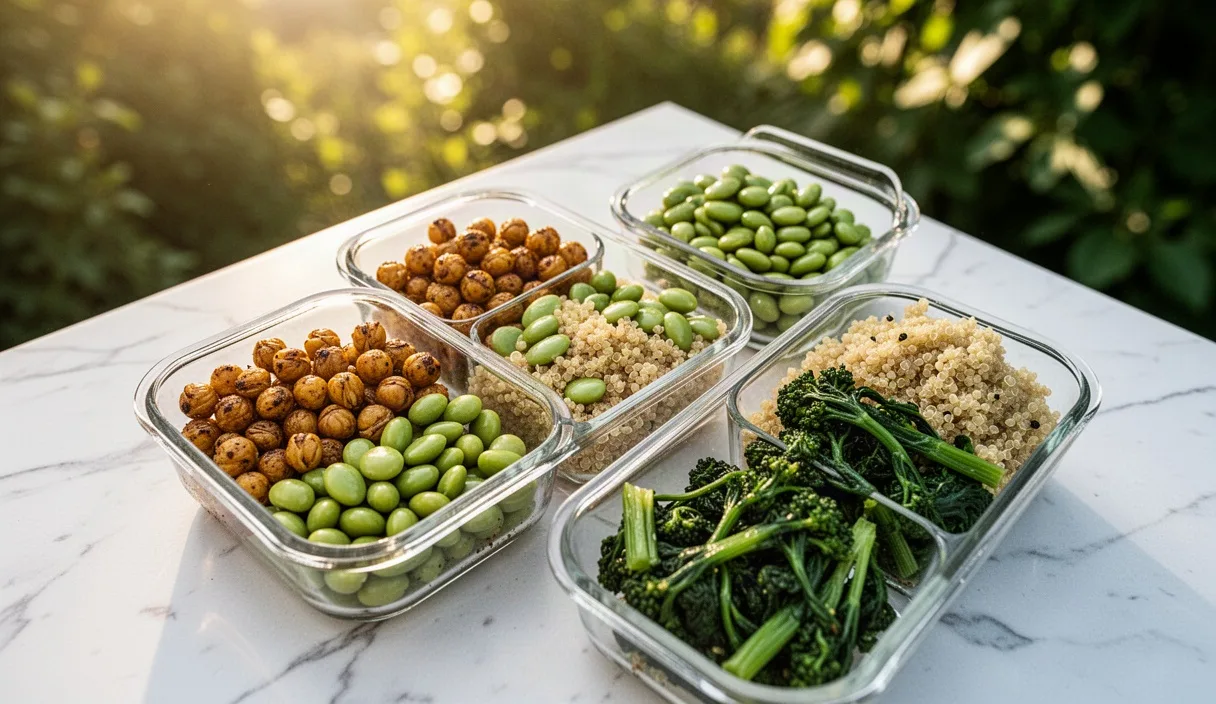
Most of us spend our twenties eating on the go without thinking twice about what is on our plates. A piece of toast while running out the door or a quick bowl of pasta late at night carries us through the day without much complaint from our bodies. Once we cross into our thirties, though, many of us start noticing subtle changes. An afternoon energy dip feels heavier, recovery from an evening jog takes an extra day, and midday hunger hits with a sudden, distracting crash.
Here in our shop, we talk to women every week who wonder why their old eating habits no longer give them steady stamina. The answer usually comes down to protein. It is not just a building block for athletes; it is the quiet, reliable workhorse your body uses to repair tissues, balance blood sugar, and produce the hormones you rely on every hour. Learning how your daily requirements change as you get older can help you feel steady, grounded, and clear-headed throughout your routine.
How protein metabolism shifts with age
Our bodies are constantly building up and breaking down tissue in a natural cycle called protein turnover. In our teens and twenties, this turnover is rapid and forgiving. When we pass age thirty, however, our muscle tissue begins a slow, natural decline of roughly 3 to 8 percent per decade if we are not actively working to maintain it. This change is accompanied by a phenomenon researchers call sports nutrition resistance, which simply means your muscle cells become slightly less responsive to the protein you eat.
Because your muscle tissue absorbs dietary amino acids a bit less efficiently than it once did, you need a slightly denser concentration of essential amino acids, especially leucine, to trigger tissue repair. If you eat the same modest protein portions you ate at twenty-two, your body may struggle to get the repair signals it needs. Over time, that quiet deficit can show up as lower physical strength, brittle nails, slower skin support, and a slower metabolic rate.
Hormones also enter the picture during your thirties and forties. Gradual shifts in estrogen and progesterone influence where and how your body stores lean mass, and they can affect how well your joints and tendons recover from daily physical strain. Getting adequate protein provides the raw materials your connective tissues require to remain resilient through these natural hormonal seasons.
| Factor | In Your Twenties | In Your Thirties and Forties |
|---|---|---|
| Muscle Protein Synthesis | Responds quickly even to small protein doses | Requires higher threshold per meal to initiate |
| Lean Mass Trend | Naturally stable with baseline daily movement | Gradual decline of 3 to 8 percent per decade without stimulus |
| Connective Tissue Repair | Fast recovery from minor aches and fatigue | Slower collagen turnover, requires steady dietary amino acids |
Estimating your daily needs using your palm as a guide
Standard dietary guidelines often cite 0.8 grams of protein per kilogram of body weight as the recommended daily allowance. That baseline was designed to prevent overt nutritional deficiency in sedentary individuals, not to support thriving energy, lean muscle, or busy workdays for adult women. Modern nutrition research frequently points toward a range between 1.2 and 1.6 grams per kilogram of body weight for active women in their thirties and beyond. For a woman weighing 68 kilograms (roughly 150 pounds), that translates to approximately 82 to 108 grams of protein per day.
We know that weighing food on a digital scale every single day is exhausting and rarely lasts. A simpler, reliable method is using the palm of your own hand. Your hand is proportional to your body size, which makes it a very practical personalized measuring tool. One palm portion, matching the diameter and thickness of your palm without fingers, provides roughly 22 to 28 grams of cooked protein from animal sources or dense plant foods like tempeh.
To reach a supportive intake across a full day, aim for these visual portions:
- Breakfast: One to one and a half palm-sized servings (about 25 to 35 grams).
- Lunch: One to one and a half palm-sized servings (about 25 to 35 grams).
- Dinner: One to one and a half palm-sized servings (about 25 to 35 grams).
- Midday snack (optional): Roughly half a palm-sized portion (about 10 to 15 grams).
If you have pre-existing kidney conditions or specific medical requirements, you should always consult your physician or a registered dietitian before making significant increases to your daily targets. For most healthy women, though, hitting around 30 grams per main meal provides the amino acids needed to keep energy steady.
Why breakfast protein matters most for daytime focus
For decades, many of us grew up thinking a piece of dry toast, a low-fat fruit muffin, or just a large milky coffee was an adequate breakfast. The problem with a high-sugar, low-protein morning is the rapid glucose spike it produces. Your body releases an equally fast surge of insulin to clear that sugar, which drops your blood glucose levels right around 10:30 AM. That is the exact moment when brain fog creeps in, focus shatters, and you find yourself hunting for a second pastry.
Starting your day with 28 to 35 grams of protein changes the hormonal signals your digestive tract sends to your brain. Protein stimulates the release of satiety hormones like peptide YY and cholecystokinin, while blunting the production of ghrelin, your primary hunger hormone. Furthermore, dietary proteins break down into amino acids like tyrosine, which serve as direct precursors for neurotransmitters such as dopamine and norepinephrine that support alertness and cognitive control.
Here are three balanced breakfast ideas that deliver roughly 30 grams of protein without requiring you to wake up an hour earlier:
- The Savory Egg Scramble: Three whole large eggs whisked with a quarter-cup of cottage cheese, scrambled in olive oil, and served with a cup of wilted baby spinach (yields roughly 29 grams of protein).
- The Greek Yogurt Bowl: One cup of plain, unsweetened Greek yogurt topped with two tablespoons of hemp hearts, a handful of blueberries, and a dash of cinnamon (yields roughly 28 grams of protein).
- The High-Protein Tofu Plate: Seven ounces of firm tofu crumbled and pan-fried with turmeric, nutritional yeast, black beans, and diced bell peppers (yields roughly 27 grams of protein).
Simple plant-based protein combinations for busy lunches
Eating plant-based meals during a hectic workday can sometimes lead to a trap: filling up on refined grains and leafy greens, only to end up famished an hour later. While animal proteins are naturally complete (meaning they contain all nine essential amino acids in balanced ratios), most individual plant foods are lower in one or two specific amino acids. You do not need to combine every complementary amino acid in a single bite, but pairing complementary plant sources during lunch guarantees you get a robust, satisfying meal.
Legumes are generally rich in the amino acid lysine but lower in methionine, while grains, nuts, and seeds are higher in methionine and lower in lysine. When you pair them together, you build a complete, resilient nutritional foundation. Here are three straightforward plant-based combinations that hold up well in a packed container and take minimal prep time:
- Chickpea and Quinoa Mediterranean Salad: Combine one cup of cooked quinoa (about 8 grams of protein) with one cup of rinsed chickpeas (about 14 grams). Toss with diced cucumber, kalamata olives, flat-leaf parsley, and a dressing made of two tablespoons of tahini (about 5 grams) whisked with lemon juice and warm water. This gives you roughly 27 grams of plant protein.
- Warm Lentil and Seed Soup: Warm one and a half cups of prepared brown or green lentil soup (providing roughly 18 grams of protein). Stir in two tablespoons of pumpkin seeds (about 5 grams) and serve with a thick slice of toasted sprouted-grain bread (about 5 grams). This simple combination delivers 28 grams of protein.
- Edamame and Tempeh Grain Bowl: Slice four ounces of tempeh (roughly 20 grams of protein) and pan-sear with a splash of tamari. Serve over half a cup of brown rice, and add half a cup of shelled, steamed edamame (about 9 grams). Drizzle with toasted sesame oil for a rich lunch delivering approximately 31 grams of protein.
Quick dinner ideas that come together in fifteen minutes
By the time seven in the evening rolls around, most of us do not have the patience for elaborate kitchen projects. When fatigue sets in, it is tempting to order takeout or graze on cheese and crackers. Keeping a few reliable, high-protein recipes in your back pocket ensures you can put a nourishing meal on the table faster than a courier can deliver food to your door.
Pan-seared salmon with garlic greens
Heat a skillet over medium-high heat with a teaspoon of olive oil. Season a six-ounce salmon fillet with salt, black pepper, and dried dill. Place it skin-side down in the hot pan and cook undisturbed for four minutes, then flip and cook for three minutes more until cooked through. Remove the fish, toss three large handfuls of pre-washed baby spinach and a minced garlic clove into the same pan, and stir for two minutes until wilted. Serve alongside a pre-cooked pouch of microwave brown rice. This meal yields roughly 36 grams of protein.
Lean ground turkey skillet with cumin and zucchini
Brown half a pound of 93 percent lean ground turkey in a wide frying pan with ground cumin, oregano, and chili powder. While the meat browns, chop one medium zucchini into half-moons. Add the zucchini to the skillet once the turkey is nearly done, cooking for roughly four minutes until tender-crisp. Spoon over warmed canned black beans. This meal provides around 44 grams of dense protein and takes twelve minutes from start to finish.
Pantry tuna and chickpea pasta
Boil chickpea-based pasta for seven minutes according to the box directions. While it cooks, drain one five-ounce can of pole-caught tuna packed in olive oil. Toss the drained pasta directly with the tuna, a tablespoon of capers, a squeeze of fresh lemon, and a handful of chopped parsley. Chickpea pasta contains significantly more protein and fiber than traditional white flour noodles, bringing the total protein count for this fast pantry dinner to roughly 41 grams.
Evaluating whether protein powders fit into your routine
We always advocate for whole food first because whole ingredients come packaged with natural vitamins, minerals, water, and dietary fiber that powders simply cannot match. That said, life in your thirties can be demanding. If you are balancing a full-time job, family care, or an intense commute, keeping a jar of clean protein powder in your cupboard can be a practical safety net rather than an artificial shortcut.
When selecting a supplement, the ingredient list should be short and easy to understand. Look for options that have undergone third-party testing by independent laboratories, such as NSF International or Informed Choice, to confirm they are free from heavy metals and unlisted additives. Pay close attention to sweetening agents; products loaded with sugar alcohols like sorbitol or erythritol can cause significant abdominal bloating and digestive distress, which defeats the purpose of eating for steady energy.
| Powder Type | Primary Source | Average Protein Per Scoop | Best Suited For |
|---|---|---|---|
| Whey Protein Isolate | Dairy (filtered milk) | 24 to 27 grams | Quick post-exercise absorption; naturally rich in leucine; low lactose content |
| Pea and Rice Blend | Yellow split peas and brown rice | 20 to 24 grams | Plant-based routines; hypoallergenic; gentle on sensitive digestion |
| Egg White Powder | Dehydrated egg whites | 22 to 25 grams | Dairy-free individuals wanting a complete animal protein without dairy sugars |
| Collagen Peptides | Bovine or marine connective tissue | 9 to 18 grams | Joint and skin support; incomplete protein (should not replace meal protein) |
Notice that collagen peptides are an incomplete protein because they lack tryptophan, one of the essential amino acids. While collagen can be a gentle addition to your morning tea for joint support, it should not be counted as your primary protein source for tissue maintenance or muscle preservation.
Common mistakes
When women decide to increase their protein intake, we often see them run into a few predictable hurdles that cause frustration or stomach upset. Being aware of these pitfalls can save you time and discomfort:
- Backloading everything to dinner: Eating 8 grams of protein at breakfast, 12 grams at lunch, and 65 grams at dinner is an inefficient way to feed your tissues. Your body cannot utilize an enormous bolus of amino acids all at once for muscle synthesis; it handles protein much better when spread evenly across three balanced meals.
- Replacing real meals with processed snack bars: Many commercial bars marketed as fitness foods are essentially candy bars fortified with soy protein isolate and held together by artificial syrups. They often lead to digestive gas and quick hunger return.
- Forgetting to drink enough plain water: When your body metabolizes protein, it creates nitrogen byproducts that your kidneys filter and excrete through urine. If you increase your protein intake without increasing your daily water intake, you may experience mild headaches or sluggish digestion.
- Ignoring your digestion: Jumping from 45 grams of protein a day to 110 grams overnight can overwhelm your stomach acid and enzyme production. Increase your portions gradually over two to three weeks so your gastrointestinal tract can adapt comfortably.
Practical next steps
You do not need to overhaul your entire pantry this evening to see real benefits. Sustainable nutritional changes happen when you focus on one meal at a time, testing what works for your digestion and your daily calendar.
Take an honest look at your current habits by tracking your meals for just two normal weekdays without trying to change anything. Simply note what you eat on a piece of paper. Look specifically at your morning meal and midday lunch. If your breakfast contains fewer than 15 grams of protein, that is your starting point.
Beginning tomorrow, adjust only your breakfast. Swap your usual pastry, cereal, or sweetened coffee for an egg scramble, a cup of Greek yogurt with seeds, or a hearty tofu stir-fry. Stick with that single adjustment for seven full days. Observe how your focus holds up around 11:00 AM and notice whether your mid-afternoon energy stays more level. Once that feels natural and effortless, you can turn your attention to lunch. Over time, these small, consistent additions will give your body the steady support it needs for the years ahead.